
Treating Systems not symptoms
Understanding your recovery path at SCC Neuro
Home | Who we help | Vertigo & Dizziness
At SCC Neuro we treat systems, not symptoms
Our process is simple and thoughtful
At SCC Neuro, we take a functional neurology approach—looking beyond symptoms to identify and treat the specific regions and pathways in the brain and nervous system involved in balance and spatial orientation.
The Neurological Basis
of Balance
Your sense of balance depends on the integration of information from three main systems:
Vestibular system (inner ear & central pathways)
Visual system (eyes)
Proprioceptive system (sensory nerves and muscles that detect position and movement)
When communication between these systems and the brain becomes disrupted—due to injury, chronic stress, inflammation, or dysfunction—symptoms like vertigo, dizziness, nausea, blurred vision, and imbalance can occur.
Common Causes We
Address
Our doctors are trained to identify and treat a range of underlying causes, including:
Vestibular neuritis or labyrinthitis
Benign paroxysmal positional vertigo (BPPV)
Post-concussion dizziness
Cervicogenic vertigo (neck-related balance issues)
Dysautonomia (autonomic nervous system imbalance)
Visual-vestibular sensory mismatch
Chronic migraine-related dizziness
Each individual’s presentation is unique, and understanding the specific neurological pathways involved is key to lasting recovery.
Functional Neurology
Evaluation
Our evaluation process involves:
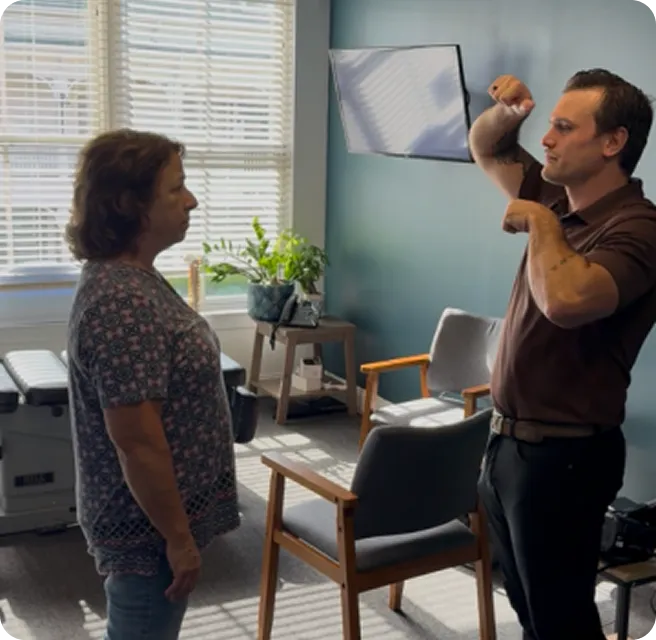
Comprehensive neurological examination
Eye movement and vestibular testing
Balance and coordination assessments
Advanced computerized diagnostic tools
These allow us to identify subtle dysfunctions in brain regions such as the cerebellum, brainstem, and vestibular nuclei, helping tailor an individualized program of care.
Individualized Treatment
Plans
Functional neurology treatments aim to retrain and restore proper brain function, not just suppress symptoms. Your care plan may include:
Vestibular rehabilitation exercises
Visual-oculomotor training
Cervical and proprioceptive recalibration
Balance and coordination therapies
Autonomic nervous system regulation
Neurofeedback and sensory integration exercises
Many patients notice improvements in stability, spatial orientation, and comfort within the first few sessions, though lasting neuroplastic changes develop over a structured treatment plan.
Our clinic is distinguished by
Advanced training in Functional Neurology and Vestibular Rehabilitation
A personalized, brain-based approach rooted in neurology
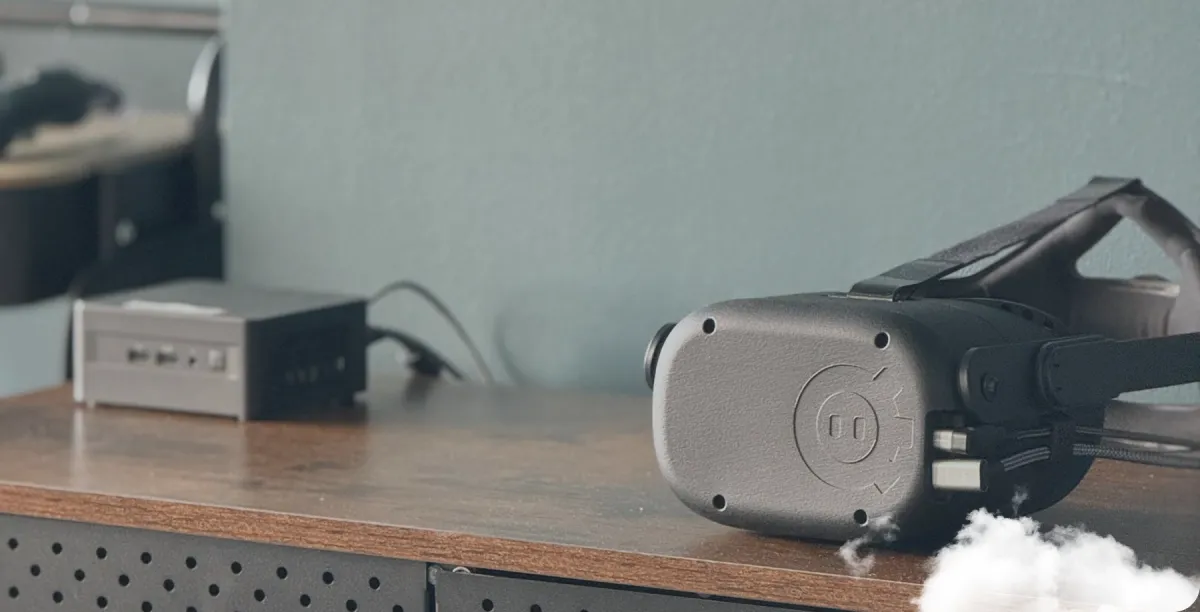
Evidence-based diagnostic technology
Collaborative care coordinating chiropractic neurology, neurorehabilitation, and lifestyle strategies
We focus on helping patients regain their independence, confidence, and quality of life—using science-backed, non-invasive methods to optimize brain function.
Take the First Step
If you’re struggling with vertigo or dizziness, you don’t have to live with constant imbalance. Schedule a comprehensive neurological evaluation today at SCC Neuro—and let us help your brain and body find balance again
Vertigo and dizziness are complex neuro-otological symptoms originating from dysfunctions in the vestibular system, central integration pathways, or autonomic and proprioceptive networks. At SCC Neuro, we utilize advanced functional neurology methods to apssess and rehabilitate the specific neural circuits responsible for spatial orientation, balance, and gaze stabilization.
Unlike conventional models that often focus exclusively on inner-ear pathology, our clinical approach evaluates the brain’s dynamic processing of multisensory input—visual, vestibular, and somatosensory—within the context of functional connectivity and sensorimotor integration.
Clinical Outcomes and Goals
Through a structured and objective rehabilitative process, patients often achieve:
Improved spatial orientation and dynamic balance
Reduction in vertigo and motion sensitivity
Enhanced oculomotor control and visual clarity during movement
Decreased autonomic instability (nausea, sweating, or orthostatic intolerance)
Restoration of functional independence and confidence
Why SCC
Neuro
Clinicians trained and certified in Functional Neurology and Vestibular Rehabilitation through advanced postdoctoral coursework (Carrick Institute and affiliated programs)
Integration of neurological diagnostics with evidence-based, non-invasive interventions
Collaboration across disciplines including chiropractic neurology, neurophysiology, and rehabilitation sciences
Focused on restoring optimal neural network function rather than symptomatic masking
35+ AND WANT TO AGE PROACTIVELY
35+ AND WANT TO AGE PROACTIVELY
35+ AND WANT TO AGE PROACTIVELY
35+ AND WANT TO AGE PROACTIVELY
35+ AND WANT TO AGE PROACTIVELY
35+ AND WANT TO AGE PROACTIVELY
35+ AND WANT TO AGE PROACTIVELY
35+ AND WANT TO AGE PROACTIVELY
Schedule a Comprehensive
Neurological Evaluation
Persistent dizziness or vertigo often indicates dysfunctions in complex multisensory pathways rather than isolated vestibular issues. Identifying and rehabilitating these dysfunctional circuits requires precision evaluation and appropriately targeted interventions.
For professional consultation or to schedule a full neuro-vestibular assessment schedule with SCC Neuro today!
Our Story
SCC Neuro was founded to help patients find a new path forward by treating the brain as the foundation of overall health.
Our practitioners take time to understand your full health story, using neurological exams, functional assessments, and evidence-based therapies to improve brain-body communication.
© 2026 SCC Neuro. All rights reserved.
Connect With Us


